


Nostalgia in Grief: A Deep Dive
/ Blog : Eleanor Haley
I'm worried.
I don't know what the future looks like.
I don't know if everything is going to be okay.
I don't know the right things to tell my kids about how to stay happy, healthy, and safe.
My computer tells me I've started too many sentences with "I don't." The Google search engine won't like it. Would I like AI to help me rewrite it? I am scared of AI, so my answer is "no", but I also know that it's happening whether I like it or not, and I wonder if this is a case of "if you can't beat it, be one with it." I try to remind myself that technology and innovation have been scaring people for hundreds of years. It will all be okay.
Won't it?
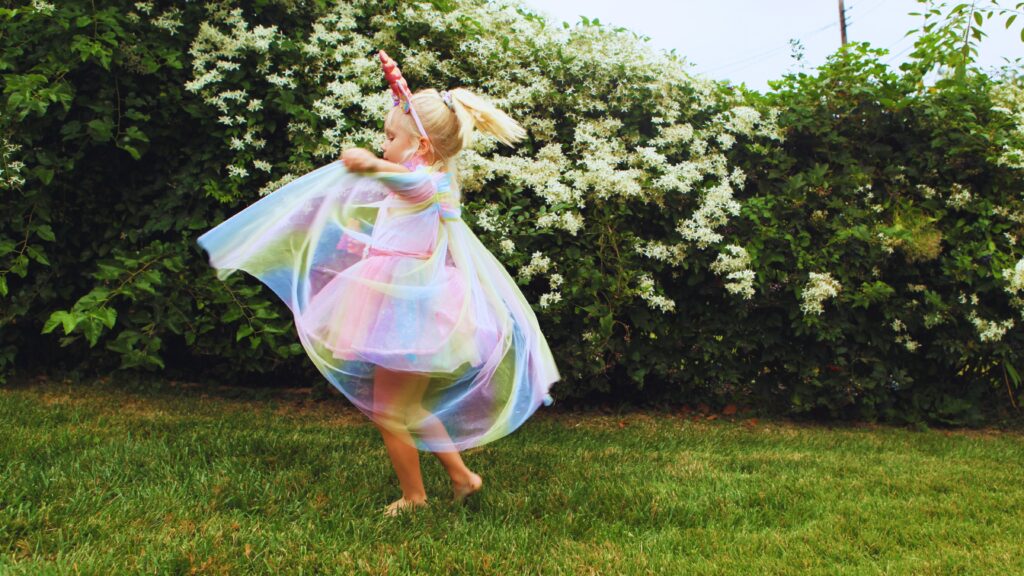
This morning, I watched my five-year-old laugh and dance around the yard. She has a remarkably light spirit. Everything is fairies, Mr Rogers' morality, and love. I adore her so much, but I feel a little sad watching her play today. What will her future look like? What am I doing to protect her? She feels safe and secure because of me, but I don't feel especially safe and secure.
In my middle age, it feels like the world is changing remarkably fast. I'm aware that feeling this way may be a rite of passage, that many generations before me have lamented the unrecognizable world their kids will inherit. I find some comfort in this reality - but ultimately, I still feel a fear of the unknown future and an incredible sense of grief over a past that is gone.
At the same time, I've noticed my sense of nostalgia for the past has been pushed into overdrive. And I don't mean the type of nostalgia that feels like an old friend. Instead, it's a dimension of nostalgia that makes me feel such a sense of longing that I might burst.
What is nostalgia, really?
Johannes Hofer first described nostalgia back in 1688. The word he chose, "nostalgia," breaks down into the Greek words "notos," which means homecoming, and "algos," which means pain.
His observations were based on Swiss mercenaries in France and Italy whose nostalgia for their home country was so intense he theorized that they had a neurological disorder. Later, similar observations were made by physicians working in the French Revolutionary Army and the American Civil War.
Those initially describing nostalgia, like Hofer, believed that it caused distress at clinical levels, indicating either a physical or psychological disorder. But our current understanding has flipped this view of nostalgia around, saying that nostalgia is not the source of distress but a coping response.

Indeed, research has shown that when people feel distressed for various reasons, they may engage in nostalgia to try and make themselves feel better. This usually isn't a deliberate response; instead, it's something a person may do automatically and without thinking, so much so that it feels simultaneous.
Using myself as an example, I shared that I've been feeling a heightened sense of insecurity and worry lately while also noticing that I've been drawn toward intense feelings of nostalgia. The regulatory model of nostalgia would suggest that, in the face of uncertainty, I'm attempting to ease my discomfort by remembering times when I felt safe, when the world seemed familiar and logical, and when I had a stronger sense of self, purpose, or direction. That tracks!

Bittersweet Nostalgia in Grief
Of course, I'd be remiss not to acknowledge that nostalgia in and of itself can be a bittersweet experience, especially if you are grieving. There will always be pain, knowing that people, places, and things you value and treasure are gone.
Reading about nostalgia reminded me of John Bowlby's writing on grief. In it, he describes how early in their grief, people may yearn and search to find closeness to the person they are grieving by actively seeking reminders of them, like their smell, photographs, or places where they felt close to them.
What they want is to re-establish closeness with the person who died, and though reminders may bring some relief, the grieving person is often left with further hopelessness and despair when they are once again reminded that nothing can actually bring back the person, place, or time they are mourning.
The bitter side of nostalgia feels a little like this - you can get closer to what you yearn for through memories and reminders - but it will never be real again - and that's sad. But even with its mournful undertones, nostalgia still may be use it as a helpful coping tool in times of grief, pain, sadness, fear, and despair.
Nostalgia helps you balance the emotional scales
Nostalgia can help boost positive emotions by reminding you of people, places, and times you value. According to the Human Flourishing Lab, most nostalgic memories revolve around social experiences involving family, romantic partners, or close friends, especially in older adults. However, you may still benefit from watching a comfort show from your youth or YouTube videos of old commercials (or whatever resonates with you).
Nostalgia may provide a safe haven
There is a concept related to attachment theory called the "safe haven" which refers to a person or relationship that provides comfort, support, and security during times of distress or threat. As we shared in our article, Times Like These, I Wish You Were Here:
"In the context of grief, the safe haven concept explains how a grieving person might seek refuge with a deceased loved one by connecting with their memory for reassurance and comfort in times of strife."
Nostalgia may offer a similar safe haven. In times of distress, we may look into the past to seek comfort, reassurance, courage, or to ask questions like - How have I coped in the past? What is important to me? What advice would my loved one have given me?
Nostalgia in grief helps link the past to present
Hong and her colleagues (2021) shared research that found nostalgia promotes global self-continuity. They define global self-continuity as, "…a sense of connection among one’s past, present, and future selves."
After experiencing loss, it's common to feel like your life is unrecognizable. You may question yourself, your friends and family, the world, your future, and your sense of values, meaning, or purpose. Although looking back may remind you of all that has been lost, it also may help you to recenter and remember who you are, where you came from, and why you love and cherish the people you now mourn.
How have you experienced nostalgia in your grief? Share in the comments below.



Leave a Reply